
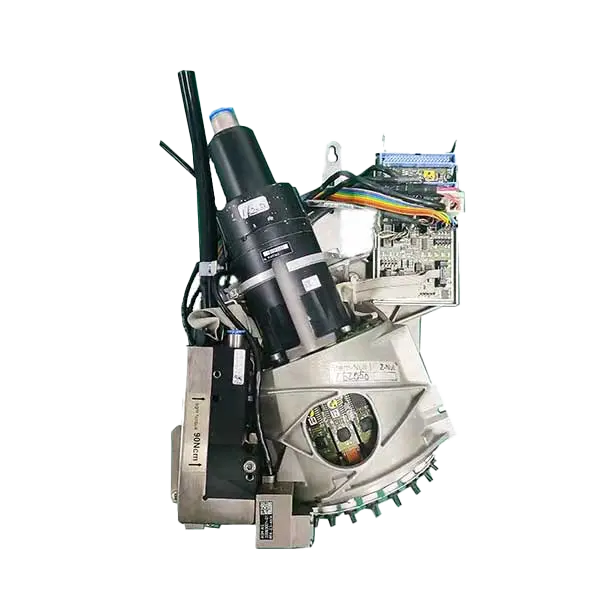

ASMPT feeder systems are critical material supply modules used in modern SMT and semiconductor manufacturing equipment. They provide accurate and continuous component delivery from reels, trays, tubes, or wafer formats to placement heads and assembly systems.
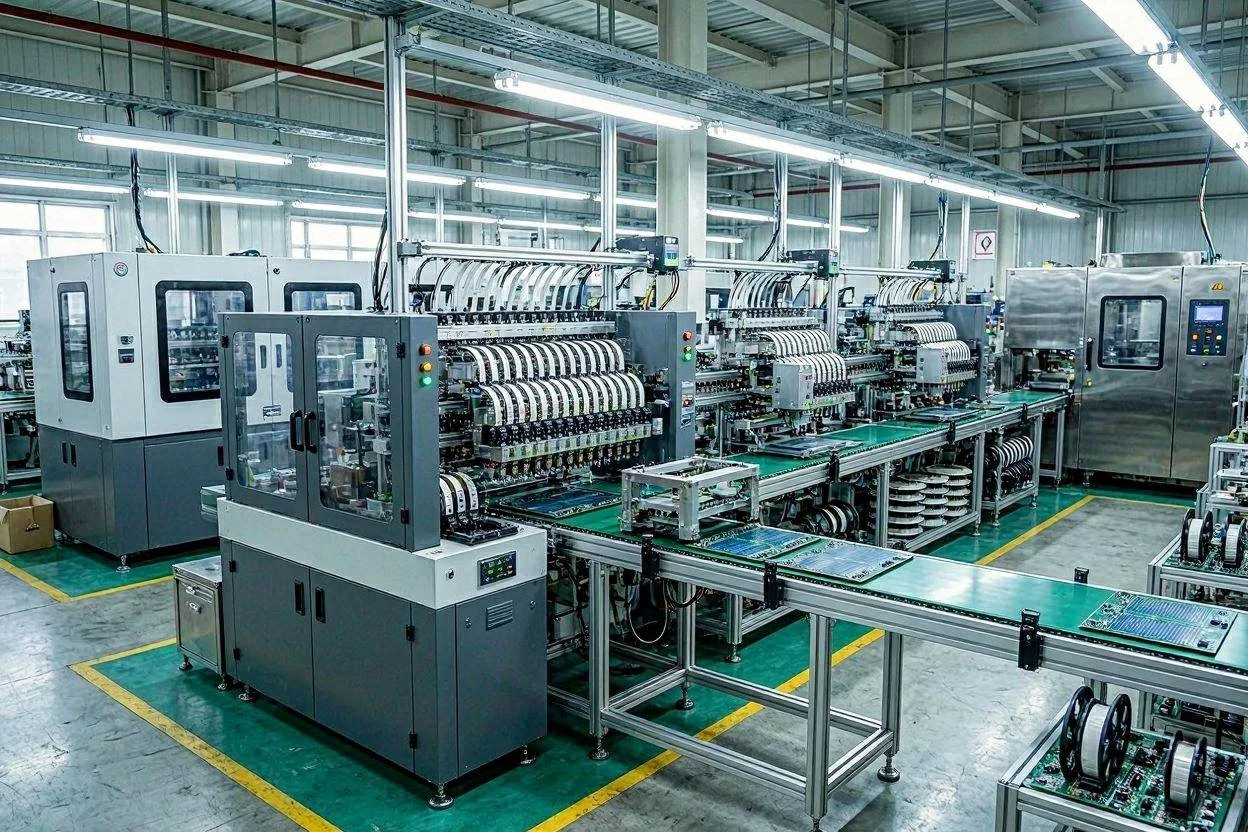
In high-speed electronics manufacturing, feeder performance directly affects placement accuracy, machine utilization, component loss rate, and overall production efficiency. Selecting the correct ASMPT feeder type requires understanding component packaging formats, feeder width, automation requirements, and production environment.
This ASMPT feeder selection guide explains the major feeder technologies, including tape feeders, tray feeders, stick feeders, wafer feeders, SmartFeeder systems, intelligent feeder functions, and auto-splice solutions. It also covers common SMT feeder sizes such as 8mm, 12mm, 16mm, 24mm, and 32mm configurations for different component applications.
What Is an ASMPT Feeder?
An ASMPT feeder is an automated component feeding device designed to supply electronic parts to SMT placement machines or semiconductor assembly equipment with high accuracy and repeatability.
The feeder works as the connection point between component storage materials and the placement mechanism. Depending on the component package type, ASMPT systems can use different feeder formats, including tape feeders for reel-based components, tray feeders for large semiconductor packages, stick feeders for tube-packaged devices, and wafer feeders for bare dies.
Modern ASMPT feeder technologies also integrate intelligent identification, communication functions, and automated setup verification to improve production reliability and reduce operator errors.
ASMPT Feeder Types Overview
ASMPT feeder solutions are designed for different component supply methods. Choosing the correct feeder type helps manufacturers achieve stable component handling and optimized SMT production performance.
| Feeder Type | Component Supply Format | Typical Applications | Main Advantages |
|---|---|---|---|
| Tape Feeder | Paper tape and embossed carrier tape reels | Passive components, IC packages, connectors, SMD devices | High-speed feeding, continuous reel supply, wide component compatibility |
| Tray Feeder | JEDEC trays and matrix trays | BGA, QFP, power ICs, large semiconductor packages | Stable handling of large and sensitive components |
| Stick Feeder | Plastic tubes and component sticks | Connectors, LEDs, special semiconductor devices | Suitable for components not available in tape format |
| Wafer Feeder | Diced wafer mounted on ring frame | LED dies, power semiconductor dies, bare chips | High-precision die supply for semiconductor assembly |
ASMPT Tape Feeder Systems
Tape feeders are the most widely used ASMPT feeder type in SMT production. They deliver components stored inside carrier tape pockets to the placement head through a controlled indexing mechanism.
ASMPT tape feeders support different tape widths to handle various component sizes. Selecting the correct feeder width improves pickup stability, reduces component damage, and helps maintain consistent placement performance.
ASMPT Tape Feeder Applications
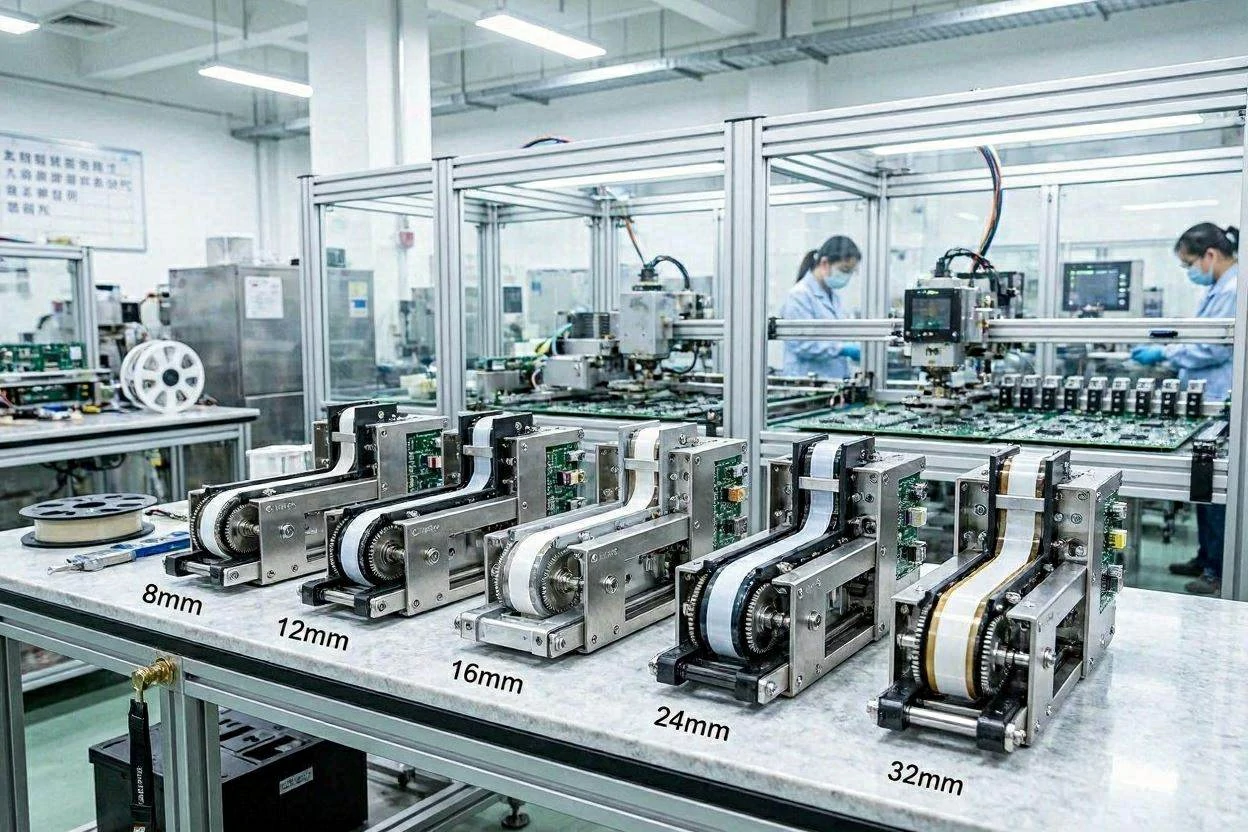
Tape feeder selection depends on component package size, carrier tape specification, and production requirements. Small passive components usually require narrow tape feeders, while larger semiconductor packages require wider feeder configurations.
| Tape Feeder Width | Typical Components | Application Examples |
|---|---|---|
| 8mm Tape Feeder | 0402, 0603, 0805 resistors, capacitors, small passive components | Mobile electronics, consumer devices, high-density PCB assembly |
| 12mm Tape Feeder | Larger passive components, small IC packages, SMD devices | General SMT assembly and mixed-component production |
| 16mm Tape Feeder | SOIC, small QFN, medium-size SMD components, larger passive devices | Industrial electronics, automotive PCB assembly, control boards |
| 24mm Tape Feeder | Larger IC packages, connectors, QFN devices, power components | Industrial electronics and automotive applications |
| 32mm Tape Feeder | Large SMD components and special packages | Flexible SMT manufacturing and customized production lines |
How to Select the Correct ASMPT Tape Feeder Width
Choosing the correct ASMPT tape feeder width is not only based on the physical component size. Engineers should also consider component packaging, tape structure, placement speed, production volume, and future product requirements.
8mm Tape Feeder
8mm tape feeders are commonly used for high-density SMT production where thousands of small passive components are placed on each PCB. They are widely applied for resistors, capacitors, and other miniature SMD components.
12mm Tape Feeder
12mm tape feeders provide additional space compared with 8mm feeders and are suitable for general-purpose SMT assembly involving small IC packages and medium-size electronic components.
16mm Tape Feeder
16mm tape feeders are an important middle-range configuration between standard narrow feeders and larger component feeders. They are commonly selected for SOIC packages, small QFN devices, and medium-size SMD components requiring additional carrier tape space.
24mm Tape Feeder
24mm tape feeders support larger electronic components that require wider carrier tape pockets. They are commonly used for industrial electronics, automotive systems, and applications involving larger IC packages.
32mm Tape Feeder
32mm tape feeders are designed for large components and special packages where wider tape formats are required to maintain stable feeding and accurate pickup.
ASMPT Tray Feeder Systems
ASMPT tray feeders are designed for components that cannot be supplied through traditional tape reels. They provide stable and accurate handling for large semiconductor packages, sensitive devices, and components requiring individual placement from matrix trays.
Compared with tape feeders, tray feeders allow manufacturers to process larger components with irregular shapes or special packaging requirements. They are commonly integrated into SMT placement systems and semiconductor assembly equipment where component protection and positioning accuracy are critical.
Typical Applications of ASMPT Tray Feeders
BGA packages
QFP and LQFP devices
Power semiconductor components
Large IC packages
Camera modules and advanced electronic components
| Parameter | Description |
|---|---|
| Component Format | JEDEC standard trays and customized matrix trays |
| Component Type | Large IC packages, semiconductor devices, sensitive components |
| Feeding Method | Automatic tray exchange and vision-assisted pickup |
| Main Benefit | Stable handling for large and fragile components |
ASMPT Stick Feeder Systems
ASMPT stick feeders are used for components packaged in tubes or sticks where reel-based tape feeding is not suitable. These feeders provide controlled component movement through vibration, gravity, or mechanical indexing methods.
Stick feeders are commonly used in applications requiring special component packaging, including connectors, LEDs, and semiconductor devices with unusual dimensions.
Common Stick Feeder Applications
Board-to-board connectors
LED components
Special IC packages
Through-hole and hybrid SMT components
The main advantage of stick feeders is their flexibility when handling components that cannot be stored in carrier tape. However, proper feeder adjustment is required to ensure smooth component movement and prevent feeding interruptions.
ASMPT Wafer Feeder Systems
ASMPT wafer feeders are designed for semiconductor backend applications where bare dies must be supplied from diced wafers mounted on ring frames. Unlike SMT tape feeders, wafer feeders work with die bonding processes requiring micron-level positioning accuracy.
Wafer feeder systems typically integrate wafer expansion, ejector mechanisms, vision alignment, and die pickup control to ensure stable die transfer from wafer to substrate or package.
Applications of ASMPT Wafer Feeders
LED die assembly
Power semiconductor packaging
MEMS devices
Sensor packaging
Advanced semiconductor backend manufacturing
| Feature | Function |
|---|---|
| Wafer Ring Frame Handling | Supports automatic wafer positioning and replacement |
| Vision Alignment | Ensures accurate die recognition and pickup |
| Ejector System | Separates individual dies from wafer tape |
| Process Integration | Connects wafer supply with die bonding operations |
ASMPT SmartFeeder and Intelligent Feeder Technology
Modern ASMPT feeder systems have evolved from traditional mechanical feeding modules into intelligent manufacturing components. SmartFeeder technology enables communication between the feeder and the placement system, improving setup accuracy, traceability, and production efficiency.
Intelligent feeders are designed to reduce operator errors by automatically identifying feeder information, verifying component setup, and monitoring feeder status during production.
Key Functions of ASMPT Intelligent Feeders
Automatic feeder identification
Component verification before production
Production status monitoring
Reduced setup time during changeover
Improved material traceability
Through digital communication between the feeder and machine controller, operators can quickly detect incorrect feeder loading, missing components, or abnormal feeding conditions before they affect production quality.
ASMPT Auto-Splice Feeder Technology
Auto-splice technology is an important automation function for high-volume SMT manufacturing. It allows operators to connect a new component reel to an existing tape supply without stopping the placement process.
By reducing manual reel replacement time, auto-splice systems help improve equipment utilization and minimize production interruptions in continuous manufacturing environments.
Benefits of ASMPT Auto-Splice Systems
Reduced machine downtime during reel replacement
Continuous component supply for mass production
Improved operator efficiency
Higher overall equipment effectiveness (OEE)
Auto-splice performance depends on correct tape alignment, splice material quality, feeder condition, and operator setup. Regular feeder maintenance is required to maintain reliable operation.
ASMPT Feeder Automation and Production Efficiency
In modern SMT factories, feeders are no longer simple mechanical supply devices. They have become intelligent production modules that contribute to process control, material management, and manufacturing data collection.
The combination of intelligent feeders, automated verification, and advanced machine communication enables manufacturers to achieve higher productivity while reducing human errors during production changeovers.
| Technology | Production Benefit |
|---|---|
| SmartFeeder Identification | Prevents incorrect feeder installation and material mismatch |
| Auto-Splice | Reduces production interruption caused by reel changes |
| Feeder Monitoring | Improves abnormal condition detection |
| Digital Communication | Supports intelligent SMT manufacturing management |
How to Select the Right ASMPT Feeder System
Selecting the correct ASMPT feeder depends on component package type, production requirements, machine configuration, and manufacturing goals. A suitable feeder configuration improves placement stability, reduces component waste, and increases overall SMT line efficiency.
Before selecting an ASMPT feeder, engineers should evaluate several key factors, including component size, packaging format, production volume, feeder width, automation requirements, and future product flexibility.
Key Factors for ASMPT Feeder Selection
Component Packaging: Determine whether components are supplied in tape, tray, tube, or wafer format.
Component Size: Select suitable feeder widths such as 8mm, 12mm, 16mm, 24mm, or 32mm based on carrier tape requirements.
Production Volume: High-volume production may require intelligent feeders and auto-splice solutions.
Machine Compatibility: Confirm feeder interface compatibility with the specific ASMPT placement platform.
Maintenance Requirements: Consider calibration frequency, spare parts availability, and long-term operating cost.
| Production Requirement | Recommended ASMPT Feeder Solution |
|---|---|
| High-speed PCB assembly with small components | 8mm and 12mm tape feeders |
| Industrial electronics with mixed component sizes | 12mm, 16mm, and 24mm tape feeders |
| Large IC packages and power devices | 24mm, 32mm tape feeders or tray feeders |
| Continuous mass production | SmartFeeder with intelligent management and auto-splice |
| Bare die semiconductor assembly | Wafer feeder systems |
ASMPT Feeder Applications in Electronics Manufacturing
ASMPT feeder systems are widely used across electronics manufacturing industries where precise and reliable component supply is required. Different feeder configurations support applications ranging from consumer electronics to advanced semiconductor packaging.
Consumer Electronics Manufacturing
Consumer electronics production requires high-speed placement of thousands of small components. 8mm and 12mm tape feeders are commonly used for passive components, miniature ICs, and high-density PCB assembly.
Smartphones
Wearable devices
Tablet electronics
Consumer control boards
Automotive Electronics Manufacturing
Automotive electronics require stable production processes, high reliability, and long-term component traceability. ASMPT feeders support the assembly of control modules, sensors, and power-related electronic systems.
Automotive ECU boards
Battery management systems
Vehicle sensors
Power control units
Industrial Electronics Manufacturing
Industrial products often contain a wide range of component sizes. Flexible feeder configurations, including 16mm, 24mm, and 32mm tape feeders, allow manufacturers to handle mixed production requirements.
Industrial controllers
Automation equipment
Power electronics
Communication systems
Semiconductor Packaging Applications
ASMPT wafer feeders and advanced material handling systems support semiconductor backend processes where precise die positioning and reliable component transfer are required.
Power semiconductor packaging
LED manufacturing
MEMS assembly
Advanced semiconductor devices
ASMPT Feeder Integration in SMT Production Flow
ASMPT feeders are an essential part of the complete SMT manufacturing process. They work together with placement machines, vision systems, and production management software to achieve stable automated assembly.
A typical SMT component supply process includes:
Component Preparation: Electronic components are stored in reels, trays, tubes, or wafer formats.
Feeder Installation: Selected ASMPT feeders are loaded into the placement machine according to production requirements.
Material Verification: Intelligent feeder systems verify component information and setup status.
Component Indexing: The feeder advances components accurately to the pickup position.
Vision Alignment: The placement system confirms component position before placement.
Pick and Place: Components are transferred to the PCB or substrate.
The complete process can be summarized as:
Component Supply → ASMPT Feeder Indexing → Vision Recognition → Pick and Place → Reflow / Assembly → Quality Inspection
ASMPT Feeder Maintenance and Calibration Guide
Regular maintenance is essential to maintain ASMPT feeder accuracy and prevent production interruptions. Mechanical wear, sensor problems, and incorrect calibration can lead to feeding errors and component pickup failures.
Common ASMPT Feeder Maintenance Items
| Maintenance Item | Potential Issue | Recommended Action |
|---|---|---|
| Drive Gear and Sprocket | Tape indexing error and unstable feeding | Inspect wear and replace damaged components |
| Sensor System | Component missing detection failure | Check sensor response and cleaning condition |
| Mechanical Structure | Feeder positioning deviation | Perform adjustment and calibration |
| Electronic Communication | Machine recognition failure | Check intelligent feeder communication status |
ASMPT Feeder Calibration Importance
Feeder calibration ensures accurate tape pitch movement, pickup height, and component positioning. In high-volume SMT production, even small feeding deviations can increase pickup errors and reduce placement efficiency.
Typical calibration checks include:
Pitch accuracy verification
Pickup position adjustment
Sensor functionality testing
Feeder communication verification
Common ASMPT Feeder Problems and Troubleshooting
Although ASMPT feeders are designed for reliable operation, long-term production use may cause mechanical or electronic issues. Understanding common problems helps engineers reduce downtime.
Feeder Timeout Error
A feeder timeout error usually indicates that the machine cannot complete the expected feeding movement. Possible causes include mechanical blockage, motor problems, or communication issues.
Component Missing Error
Component missing alarms may occur when the sensor cannot detect the expected component position. Engineers should check tape loading, sensor condition, and component availability.
Tape Advance Error
Tape advance errors are commonly related to worn gears, incorrect tape installation, or feeder calibration problems. Regular inspection can prevent repeated feeding interruptions.
Frequently Asked Questions About ASMPT Feeders
What types of ASMPT feeders are available?
ASMPT feeder systems include tape feeders, tray feeders, stick feeders, wafer feeders, and intelligent SmartFeeder solutions. The correct type depends on component packaging format and manufacturing requirements.
What ASMPT tape feeder sizes are commonly used?
The most common ASMPT tape feeder widths include 8mm, 12mm, 16mm, 24mm, and 32mm. Narrow feeders are mainly used for small passive components, while wider feeders support larger IC packages and special electronic components.
Why are SmartFeeders used in modern SMT production?
SmartFeeders provide intelligent identification, setup verification, and communication functions that reduce operator mistakes and improve production traceability.
How can ASMPT feeders improve SMT production efficiency?
ASMPT feeders improve efficiency by providing accurate component supply, reducing feeding errors, supporting automation functions, and minimizing production downtime.
Can ASMPT feeders be refurbished?
Yes. Many ASMPT feeders can be professionally refurbished through inspection, cleaning, replacement of worn components, calibration, and functional testing. Refurbished feeders can provide a cost-effective solution for production lines requiring additional capacity.
Summary
ASMPT feeder systems provide reliable and flexible component supply solutions for SMT assembly and semiconductor manufacturing. From standard tape feeders supporting 8mm, 12mm, 16mm, 24mm, and 32mm components to advanced SmartFeeder and wafer feeder technologies, ASMPT offers solutions for different production requirements.
Understanding feeder types, applications, maintenance requirements, and selection criteria helps manufacturers improve placement accuracy, reduce downtime, and optimize overall production efficiency.
Request ASMPT Feeder Specification or Technical Support
For production teams evaluating ASMPT feeder solutions, detailed specifications, compatibility information, refurbished feeder availability, and technical recommendations can be provided according to machine configuration and application requirements.
ASMPT feeder specification information
8mm / 12mm / 16mm / 24mm / 32mm tape feed solutions
SmartFeeder and intelligent feeder options
Feeder maintenance and refurbishment support
SMT production line integration assistance
Contact our engineering team for ASMPT feeder selection support and quotation requests.